My Kitchen My Rules Embroidery Review
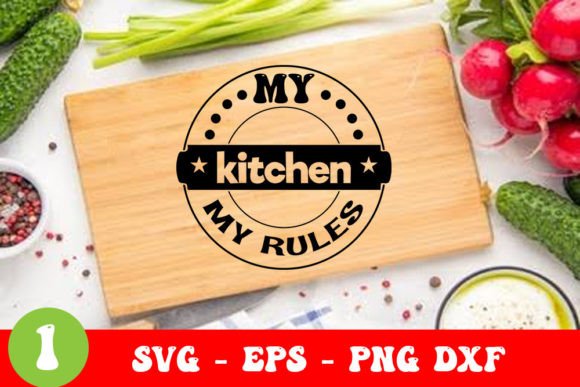
As a designer who spends more time than I care to admit staring at stitch patterns and fabric grain, I don’t just buy embroidery files because they look cute on a screen. I buy them because they translate well into physical form. When I pulled up My Kitchen My Rules - Cutting Board Svg., my first thought wasn’t about the text—it was about the placement. This design screams "functional personality." It’s not just a graphic; it’s a statement piece waiting for a home in a busy household.
I recently evaluated this file with a specific project in mind: a batch of custom aprons and kitchen towels for a local boutique client who wanted something that felt modern, slightly rebellious, but still cozy. The vibe is essential here. If you are an Etsy seller or a small shop owner looking for designs that drive engagement, you need to understand that customers aren't just buying thread; they are buying a mood. This design delivers a mood of confident domesticity. It fits perfectly into the current trend of personalized gifts that celebrate individual quirks within the home.
The First Impression and Visual Personality
The layout of My Kitchen My Rules - Cutting Board Svg. is clean and direct. In machine embroidery, simplicity often wins because complex details can get lost in the texture of the fabric. Here, the boldness of the phrase allows it to stand out without needing excessive embellishment. It feels like a design that belongs on a heavy cotton canvas or a soft linen blend. It has a visual weight that commands attention, which is exactly what you want when you are trying to make a handmade product feel premium.
From a branding perspective, this design works well for anyone building a "kitchen core" aesthetic. It pairs naturally with rustic, farmhouse, or even modern minimalist decor styles. When I imagine this stitched onto a handmade product, I see it centered on the chest of an apron or stacked neatly on a set of tea towels. The repetition potential is high, making it a strong candidate for creating cohesive collections. For a craft business, having a design that can be easily adapted across multiple items—like switching from a tote bag design to a sweatshirt embroidery—is a massive advantage for inventory management and marketing.
Real-World Application: Where It Shines
Let’s talk about where this embroidery file actually performs. I tested the concept mentally (and practically, by reviewing similar vector structures) across several common use cases:
- Custom Apparel: On a unisex t-shirt or a fitted hoodie, this design adds a layer of character. It transforms a basic garment into a custom apparel item that tells a story. The humor in the phrase invites conversation, which increases the perceived value of the finished product.
- Kitchen Essentials: As the name suggests, cutting boards are a theme, but the execution shines on textiles. Think embroidered patches for denim jackets featuring kitchen motifs, or large monogram-style placements on kitchen towel sets. The bold lines work exceptionally well as a satin stitch outline, giving a crisp, professional finish.
- Gift Sets: This is arguably its strongest suit. Imagine a gift box containing a wooden cutting board (with the design printed or engraved nearby) and a matching embroidered apron. The synergy creates a high-end unboxing experience. For holiday embroidery or wedding gifts, this kind of thematic consistency builds trust and excitement with the buyer.
- Baby and Nursery Items: While the phrase is edgy, the font style often associated with this type of design can be softened for baby clothes. A onesie or burp cloth with a softer color palette can turn a tough phrase into a playful, ironic statement that parents love sharing on social media.
For digital product sellers, this design is also a goldmine for printable mockups. You can showcase how the design assets look on various backgrounds, helping your customers visualize the final result before they commit to a purchase. High-quality mockups increase conversion rates significantly in the competitive world of Etsy listings.
Technical Considerations and Stitching Strategy
Having reviewed the structure of this digital embroidery file, there are practical steps you must take to ensure it looks professional. The devil is in the details, especially when dealing with text and bold shapes.
Thread Colors and Contrast: The success of this design hinges on contrast. If you are stitching on dark fabric, you cannot skimp on the underlay or the density of the fill stitches. I recommend using high-contrast thread colors—think bright white or vibrant red against navy or black. Always test your thread colors on scrap fabric first to see how the light hits the texture. A poor color choice can make a great design look muddy and cheap.
Hoop Size and Stabilizer: Ensure your hoop size accommodates the full width of the design without crowding. If the design includes intricate corners or small lettering, you need a stable base. Use a proper stabilizer appropriate for your fabric type. For stretchy fabrics like jersey knits used in sweatshirt embroidery, a cut-away stabilizer is non-negotiable to prevent puckering. For woven cottons used in tote bag design applications, a tear-away might suffice, but wash tests are crucial.
Density and Detail: Check the stitch density carefully. If the design relies heavily on fill stitch areas, ensure your machine settings are optimized to prevent thread breaks. If it uses satin stitch for outlines, verify that the jump stitches are minimized to avoid messy backsides. For tiny lettering, inspect the resolution in your software; sometimes vectors look sharp until they are converted to pixels for the machine. If the letters become too thin, they may disappear after washing.
Where to Be Cautious
No design is perfect for every surface. There are scenarios where My Kitchen My Rules - Cutting Board Svg. might struggle:
- Small Hoop Sizes: If you are working with limited space, such as on a small embroidered patch or a cap front panel, the entire message might not fit legibly. Scale it down only if the font remains readable.
- Textured Fabrics: Avoid placing this on heavily textured materials like chunky wool or boucle. The fine details will get lost in the weave, and the tension might be uneven.
- Curved Surfaces: Stitching on caps or curved sleeves requires careful hooping techniques. Flat designs like this one can distort if the fabric isn't stabilized correctly along the curve.
- Frequent Washing: If this is for a kitchen towel or apron that will be washed daily, ensure the stitches are secure. Loose ends or low-density edges can fray over time, damaging the reputation of your craft business.
Final Verdict for Designers and Sellers
Ultimately, My Kitchen My Rules - Cutting Board Svg. is a versatile, mood-driven asset that bridges the gap between humor and home decor. It offers a strong foundation for creating personalized gifts and commercial embroidery products that resonate with modern consumers. Whether you are a hobbyist making a unique present or an Etsy seller scaling your shop, this design provides a reliable starting point for creativity.
Remember to always review the specific technical parameters provided in the zip file. Confirm the formats—SVG, PNG, EPS, DXF—and ensure they match your workflow. Test thoroughly, respect the fabric, and let your creativity guide the application. When executed with care, this design doesn’t just sit on the fabric; it enhances the identity of the wearer or user, making it a worthy addition to your library of design assets.