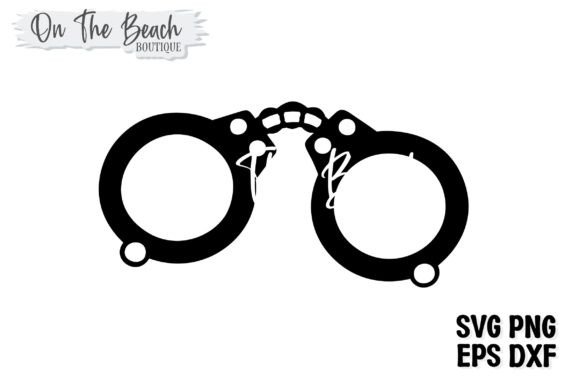
Handcuff SVG Embroidery Design Review
As a designer who spends more time staring at stitch paths than sleeping, I approach every new digital asset with a healthy dose of skepticism. The market is flooded with clip art masquerading as professional embroidery files, and too often, what looks charming on a screen turns into a tangled mess of thread on the hoop. That is why I take the time to evaluate designs like the Handcuff SVG not just for their aesthetic appeal, but for their practical viability in real-world production. Whether you are an Etsy seller looking to expand your catalog or a hobbyist making a personalized gift, understanding how a design translates from vector to fabric is crucial.
This review focuses on the Handcuff SVG, a graphic that falls squarely into the Crafts and Graphics categories but carries a distinct visual personality. It is not merely a line drawing; it is a statement piece that demands specific consideration regarding placement, fabric choice, and execution. Below, I break down exactly how this design performs when moved from the computer screen to the embroidery machine.
First Impressions and Visual Personality
When you first load the Handcuff SVG into your digitizing software or cutting program, the immediate takeaway is its bold, graphic nature. The theme is edgy yet playful, leaning heavily into motifs associated with rebellion, commitment (in a quirky way), or perhaps a humorous take on "tied down" relationships. For a custom apparel decorator, this mood is versatile. It works equally well for a punk-rock aesthetic on a denim jacket as it does for a tongue-in-cheek novelty item for a bachelor party or a bachelorette weekend.
The layout is clean, which is a designer’s best friend. Unlike overly intricate floral patterns that can get lost in texture, the handcuff motif relies on strong silhouettes. This makes it highly recognizable even at smaller sizes. However, the visual weight of the design suggests it needs breathing room. It is not a subtle background element; it is the focal point. This clarity is essential for embroidery project success because it ensures the design remains legible after stitching, regardless of the thread type used.
Real-World Application: Where Does It Shine?
In my experience testing various digital embroidery file types, certain designs naturally gravitate toward specific products. The Handcuff SVG has a natural home on structured items where the fabric can support the tension of the stitches without distorting. Here are a few scenarios where this design truly excels:
- Custom Tote Bags: A canvas tote bag provides a sturdy, flat surface that is perfect for showcasing the bold lines of the handcuffs. When paired with thick cotton thread, the design pops with a tactile quality that customers love. It transforms a simple accessory into a conversation starter, ideal for small shop product listings.
- Sweatshirt Embroidery: There is something inherently cozy yet rebellious about embroidering edgy graphics on sweatshirts. The Handcuff SVG fits perfectly on the chest pocket area or centered on the back. The density of the fabric helps anchor the stitches, preventing puckering and ensuring the design maintains its shape after multiple washes.
- Embroidered Patches: If you are creating detachable patches, this design offers excellent contrast potential. You can use a contrasting background color for the patch itself, allowing the handcuff outline to stand out sharply. These make great additions to backpacks, caps, or jackets, adding a layer of customization that boosts buyer engagement.
- Holiday Gifts and Novelty Items: During holiday seasons, humor sells. A pair of embroidered handcuffs can be a hilarious addition to a stocking stuffer or a gag gift. The design’s simplicity allows for quick production runs, making it efficient for craft business owners preparing inventory for peak seasons.
Additionally, this design works well for personalized gifts. Imagine combining the handcuff motif with initials or dates using a complementary font. The juxtaposition of the rigid metal-like shape with soft, personal lettering creates a balanced composition that feels both professional and heartfelt.
Technical Considerations and Potential Pitfalls
While the Handcuff SVG is visually striking, no design is without its challenges. As an experienced reviewer, I must highlight where caution is required. Not all fabrics and surfaces are created equal, and ignoring these factors can lead to frustrated customers and ruined materials.
Fabric Texture and Stability: The design relies on clean lines. On highly textured fabrics like bouclé or heavy chenille, the details may get lost. Similarly, thin or stretchy knits can distort under the pull of the stabilizer and needle. Always test on scrap fabric first to ensure the stitch density is appropriate for the material. If the fabric is too light, consider using a cut-away stabilizer to prevent warping over time.
Curved Surfaces: Attempting to embroider this design directly onto a curved surface, such as a baseball cap, requires advanced hooping techniques. The handcuffs have a linear geometry that might look distorted if stretched over a curve incorrectly. For beginners, it is safer to embroider the design flat and then apply it as an applique or patch to the final garment.
Color Contrast: The effectiveness of the Handcuff SVG is heavily dependent on thread-to-fabric contrast. On dark fabrics, light threads will create a striking pop, while on light fabrics, dark threads provide definition. Avoid mid-tone combinations where the thread might blend into the background, reducing the visual impact. I recommend checking your design in black and white mockups to verify that the shapes remain distinct.
Practical Designer Notes for Execution
To ensure your finished product meets professional standards, keep these tips in mind before you start stitching:
- Test Stitch Density: Ensure the fill stitch areas are not too dense, which can cause the fabric to pucker, nor too sparse, which can leave gaps visible through the thread. Adjust the settings in your machine based on the fabric thickness.
- Choose the Right Thread: Polyester thread is generally preferred for its sheen and durability. For the satin stitch outlines, a higher twist thread can help maintain crisp edges.
- Inspect Small Details: If the design includes tiny elements or text, zoom in during the pre-stitch phase. Tiny details can sometimes merge together if the hoop size is too small relative to the design scale.
- Verify Licensing: Before listing any commercial embroidery items on platforms like Etsy, double-check the license terms included with the Handcuff SVG. Some files are for personal use only, while others allow commercial sales of finished goods. Respecting intellectual property protects your brand consistency and legal standing.
Final Verdict on Value and Appeal
The Handcuff SVG is a solid addition to any design assets library, particularly for those targeting niche markets that appreciate humor, edge, or unique symbolism. Its strength lies in its simplicity and versatility. It does not try to be everything to everyone, which is precisely why it works so well.
For apparel decorators and makers, this design offers a high perceived value with relatively low production complexity. It elevates basic items like plain tees or tote bags into distinctive handmade product offerings. When executed correctly, with attention to fabric choice and stabilization, the finished product exudes professionalism and thoughtfulness.
However, remember that a great file is only half the battle. The skill of the operator and the quality of the materials play a significant role in the final outcome. By approaching the Handcuff SVG with care and respecting its technical requirements, you can create pieces that resonate with customers and stand out in a crowded marketplace. Whether you are crafting a one-off gift or scaling up for a boutique brand, this design provides a reliable foundation for creative expression.