Donut Bar SVG Review: A Designer’s Take on Embroidery Potential
As a designer who spends half my life staring at stitch density charts and the other half worrying about whether a customer will actually wear what they bought, I approach every new embroidery file with a healthy dose of skepticism. The market is flooded with generic clipart that looks fine on a screen but falls apart under the needle. However, when I first pulled up the Donut Bar SVG, I saw something different. It wasn’t just another cute graphic; it felt like a ready-to-stitch asset designed with the realities of machine embroidery in mind.
This review isn’t about telling you to buy it because it’s trending. It’s about evaluating whether this design has the structural integrity, visual appeal, and commercial viability to survive the jump from digital vector to physical thread. If you are an Etsy seller, a boutique owner, or a crafter looking to elevate your handmade product line, read on to see how this design holds up in real-world application.
First Impressions: Mood and Visual Personality
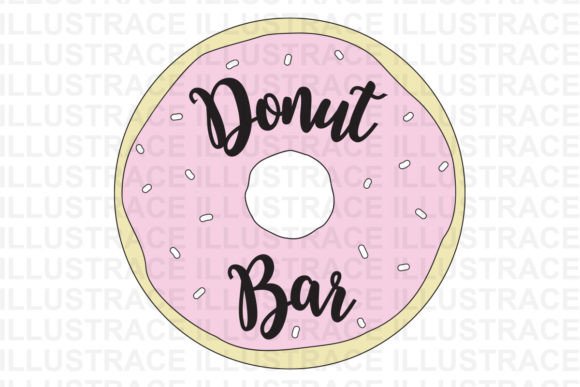
The immediate takeaway from the Donut Bar SVG is its playful yet polished aesthetic. In a sea of serious corporate logos and minimalist typography, this design brings a burst of energy without feeling chaotic. The theme taps into the universal love for sweets, but the layout suggests a "Treat Yourself" or self-care mentality that resonates deeply with modern consumers. It feels less like a childish drawing and more like a lifestyle statement.
Visually, the shapes appear clean and distinct. For an embroiderer, this is crucial. Designs with overlapping, ambiguous lines often result in tangled messes or unclear imagery after stitching. This design seems to rely on clear separation between elements, which translates directly to better stitch placement and fewer errors during production. It creates a mood of joy and indulgence, making it perfect for projects that aim to cheer someone up or celebrate a small victory.
Real-World Application: Where Does It Shine?
Let’s talk about where this machine embroidery design would actually sell. I recently imagined using this for a custom order: a set of matching aprons for a home baker’s gift basket. The contrast of a sweet treat motif on a kitchen towel or apron is timeless. But beyond the kitchen, the versatility here is impressive.
- Custom Apparel: On a heavyweight cotton sweatshirt, the design could serve as a chest logo or a back print. The motivational undertone fits perfectly with the cozy, casual vibe of loungewear.
- Baby Items: Think onesies or nursery wall hangings. The soft, rounded shapes of the donuts translate well to baby products, offering a gentle, fun aesthetic that parents love.
- Tote Bag Design: A canvas tote embroidered with this motif becomes an instant conversation starter. It’s practical, trendy, and highly giftable.
- Embroidered Patch: If digitized correctly, this could work beautifully as an iron-on patch for denim jackets or backpacks, adding a pop of personality to utilitarian gear.
For the craft business owner, this design bridges the gap between novelty and professionalism. It’s not so niche that it alienates buyers, nor is it so generic that it blends in. It sits in that sweet spot of recognizable charm.
Technical Considerations and Stitching Clarity
Here is where the rubber meets the road. Even the prettiest vector can fail if the underlying structure isn’t sound. When evaluating the Donut Bar SVG for embroidery, we have to look at how it handles detail and density.
Stitch Density and Detail: Donuts often feature sprinkles or intricate icing patterns. In a poor digitization, these tiny details can vanish or cause puckering. You need to ensure that the stitch density is appropriate for the fabric weight. If the design uses too many satin stitches for small text or thin lines, it may become stiff and uncomfortable. Conversely, if it relies too heavily on fill stitch for large areas, it might add unnecessary bulk. Always inspect the individual stitch paths if possible, or run a test sample to check for thread breaks.
Thread Color Contrast: The success of this design hinges on color choice. A pastel donut on a white shirt might lack definition. You’ll want to use high-contrast thread colors to make the layers pop. Testing the design in a black-and-white mockup is a pro tip—it helps you see if the shapes remain distinct without the crutch of color.
Fabric Texture: This design performs best on stable, medium-weight fabrics like cotton twill, fleece, or canvas. While it might look cute on a delicate jersey knit, stretchy fabrics can distort the shape during hooping, leading to a warped final product. If you’re working with textured fabrics like terry cloth, the finer details of the design may get lost in the pile.
Where to Use With Caution
Not every surface is created equal. There are specific scenarios where you should pause and reconsider using this digital embroidery file:
- Small Hoop Sizes: If the design is scaled down too much, the individual donuts and any accompanying text may merge into a blurry blob. Ensure your hoop size allows for adequate spacing between elements.
- Curved Surfaces: While caps and hats are popular, flat designs like this can sometimes look distorted on highly curved brims unless specifically adapted for curvature.
- Dense Stitch Areas: Avoid placing dense sections of this design over seams, zippers, or pockets, as the added thickness can cause discomfort or damage the garment structure.
- Products Requiring Frequent Washing: If you are creating items like dish towels or aprons that will be washed daily, ensure the stabilizer is completely removed and the threads are secured properly to prevent fraying over time.
Impact on Product Value and Brand Consistency
Using a well-executed design like the Donut Bar SVG does more than just decorate a product; it builds trust. When a buyer receives a personalized gift or a small shop product with crisp, professional embroidery, it signals quality. It shows that you care about the details. This attention to detail enhances the perceived value of your item, allowing you to command higher prices and reduce return rates.
Furthermore, the thematic consistency of this design supports brand storytelling. Whether you are branding a bakery, a self-care boutique, or a children’s clothing line, this motif reinforces a message of happiness and indulgence. It aligns with current trends in motivational quotes and inspirational self-love content, making it a strategic choice for commercial embroidery projects aimed at emotional connection.
Practical Designer Notes for Implementation
Before you hit the start button on your machine, follow these essential steps to ensure success:
- Test on Scrap Fabric: Never skip this step. Different fabrics react differently to tension and stabilizers. A test run reveals potential issues with puckering or thread tension early.
- Check Licensing: If you plan to sell finished items, verify the license terms of the graphics. Some files are for personal use only, while others allow commercial sales of physical goods. Understanding these rights protects your business.
- Use Proper Stabilizer: Match your stabilizer to your fabric. Cut-away stabilizers are generally safer for woven garments, while tear-away might suffice for temporary applications like patches.
- Review Small Details: Zoom in on the design. Are there any tiny, isolated stitches that might not catch the thread? Adjusting these before digitizing or importing can save hours of troubleshooting.
In conclusion, the Donut Bar SVG is a strong contender for anyone looking to add a touch of whimsy and warmth to their embroidery project. It balances aesthetic appeal with practical usability, making it suitable for everything from holiday gifts to boutique branding. By paying attention to fabric choice, stitch quality, and proper preparation, you can transform this simple vector into a standout finished product that customers will love.