Be Kind SVG Embroidery Review
In the world of handmade commerce and personal crafting, certain phrases carry more weight than others. "Be Kind" is one of those universal sentiments that resonates across ages, backgrounds, and occasions. As a designer who has spent years evaluating digital assets for real-world application, I recently put the Be Kind SVG through its paces to see if it holds up when translated from a vector screen into tangible thread. This review isn't just about whether the file cuts cleanly; it’s about how the design performs as an embroidery project, how it impacts the perceived value of a handmade product, and where it fits best in your creative workflow.
First Impressions: Mood and Visual Personality
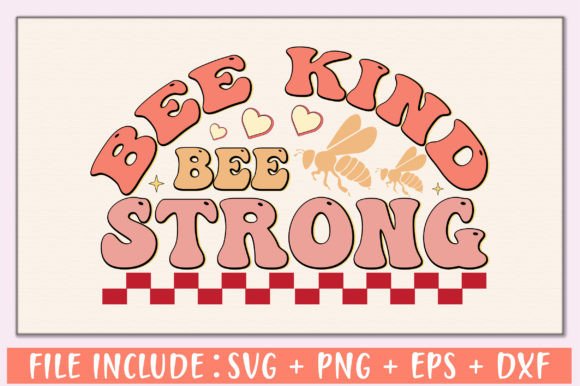
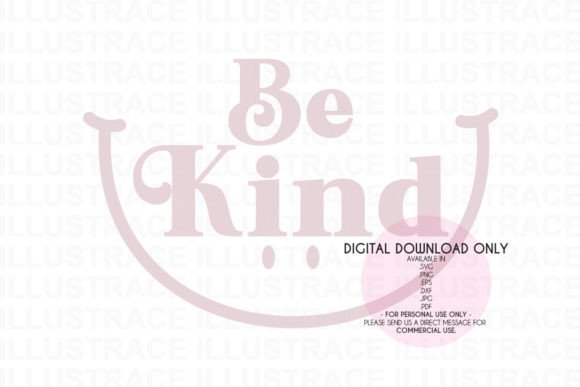
When you first open the Be Kind SVG file, the immediate takeaway is its clean, approachable aesthetic. The typography appears straightforward, avoiding overly ornate flourishes that might get lost during digitization or stitching. For an embroidery designer, this simplicity is a double-edged sword: it offers ease of execution but requires thoughtful execution to avoid looking too basic. The layout feels balanced, suggesting a design that prioritizes readability over intricate detail. This makes it an excellent candidate for custom apparel where the message needs to be instantly recognizable from a distance.
The mood created by this design is warm and inviting. It doesn’t scream for attention; rather, it whispers a gentle reminder. In terms of visual personality, it leans towards modern minimalism with a touch of rustic charm, depending on the font style chosen within the vector layers. This versatility allows it to fit seamlessly into various niches, from small business merchandise to heartfelt personalized gifts. The design assets are structured in a way that suggests they can be easily manipulated—whether you want to scale them down for a pocket placement or expand them for a full-back print on a sweatshirt.
Real-World Application: Where Does It Shine?
To truly understand the utility of the Be Kind SVG, we need to look at specific use cases. Imagine preparing a batch of custom embroidered tote bags for a local craft fair. The design’s clarity ensures that even on canvas or heavy cotton, the letters remain distinct. It works beautifully as a tote bag design because the sentiment aligns perfectly with the eco-friendly, community-focused ethos often associated with reusable bags.
Another strong contender for this design is baby embroidery. A soft onesie or a nursery wall hanging featuring "Be Kind" taps into the emotional core of new parents who want to instill positive values early. The design’s lack of aggressive angles or sharp edges makes it suitable for baby clothes where comfort and safety are paramount. Similarly, for holiday embroidery projects, this phrase serves as a timeless gift option that transcends seasonal trends, making it a safe bet for year-round sales on platforms like Etsy.
For the Etsy seller or craft business owner, this design also shines in the realm of kitchen decor. Embroidered tea towels or aprons with this message add a layer of warmth to home living spaces. The design acts as a subtle branding element for boutique products, reinforcing a brand identity centered around care and mindfulness. When used in commercial embroidery settings, such as corporate wellness gifts or team-building event swag, the design communicates professionalism without being stiff or corporate.
Technical Performance and Stitch Considerations
Translating a vector to an embroidery file involves decisions about stitch types and density. The Be Kind SVG likely benefits from a mix of satin stitch for outlines if the font has serifs or curves, and fill stitch for bolder, blockier lettering. However, designers must be cautious. If the design includes tiny decorative elements or thin lines, these may not survive the hooping process intact. It is crucial to inspect small details closely before finalizing the digitization.
Stitch density plays a significant role here. A dense fill can make the fabric stiff, which is undesirable for items like pillow covers or delicate kitchen towels. Conversely, a sparse stitch count might look unfinished on textured fabrics. Testing the design on scrap fabric is non-negotiable. You need to check how the thread colors interact with the base material. On dark fabrics, lighter threads might require an underlay or a different color palette to maintain visibility, while light fabrics offer more flexibility but can show shadows from dense stitching.
Furthermore, consider the hoop size. If the design is large, ensure your machine’s hoop can accommodate it without excessive trimming or re-hooping, which can misalign the pattern. For curved surfaces like caps or hats, the flat nature of the SVG might need adjustment to follow the curve of the brim or crown. Using a proper stabilizer is essential to prevent puckering, especially if you are working with stretchy knits or thin materials.
Areas Caution Is Required
While the design is versatile, there are scenarios where it should be used carefully. Avoid placing intricate versions of this design on highly textured fabrics like bouclé or thick chenille, as the texture will obscure the fine details of the embroidery. Thin fabrics, such as lightweight rayon or sheer chiffon, may distort under the tension of the hooping and stitching, leading to warping of the "Be Kind" text. Additionally, if the design includes layered garments or complex shapes, ensure that the backing stabilizer is removed completely to maintain comfort and drape.
Another consideration is the final washing durability. For items like sweatshirt embroidery or aprons that will undergo frequent laundering, ensure the stitches are secure and the thread quality is high to prevent fading or fraying. The visual appeal of the finished product relies heavily on these technical foundations.
Impact on Brand and Customer Trust
From a marketing perspective, the Be Kind SVG enhances brand consistency for businesses focused on mental health, self-care, or community support. When customers see a well-executed embroidered piece with this message, it signals attention to detail and quality craftsmanship. This boosts customer trust and encourages repeat purchases. The design’s emotional resonance increases buyer engagement, as people are more likely to share photos of their personalized gifts or wearable art on social media, providing free organic promotion for your shop.
For digital product sellers, offering this design as part of a bundle with other self-love messages can create a cohesive collection. Printable mockups featuring the "Be Kind" theme can effectively showcase potential applications, helping buyers visualize the finished product before purchasing. This transparency reduces return rates and increases satisfaction.
Practical Designer Notes for Implementation
Before committing to a production run, follow these practical steps:
- Test on Scrap Fabric: Always stitch out a sample to check for alignment and tension issues.
- Review Stitch Density: Ensure the design isn’t too dense for the intended fabric type.
- Check Thread Contrast: Verify that the thread colors stand out clearly against the background material.
- Inspect Small Details: Zoom in on the vector to ensure no tiny elements will get lost in translation.
- Confirm Licensing: If you plan to sell finished items, verify the commercial use rights of the Be Kind SVG. Different licenses apply to digital embroidery files versus physical goods.
- Compare Backgrounds: Test the design on both light and dark fabrics to assess versatility.
- Use Proper Stabilizer: Match the stabilizer to the fabric weight and stretch characteristics.
By approaching the Be Kind SVG with a critical eye and a focus on technical precision, you can transform a simple vector into a powerful embroidery design that delights customers and elevates your brand. Whether you are creating a single personalized gift or scaling up for a craft business, this design offers a reliable foundation for success.