Thank You Heart SVG and PNG Review
As a designer who spends half my day staring at stitch charts and the other half worrying about thread tension, I don’t just look for "pretty" designs. I look for viability. Can this design actually survive a real production run? Will it hold up on a cotton tote bag that gets washed weekly? Does it translate well from screen to fabric? Today, I’m putting Thank You Heart SVG and PNG under the microscope. This isn’t just another clip-art heart; it’s a specific graphic asset marketed for die-cutting machines like Cricut and Silhouette, but its application extends deeply into the world of digital embroidery assets and handmade commerce.
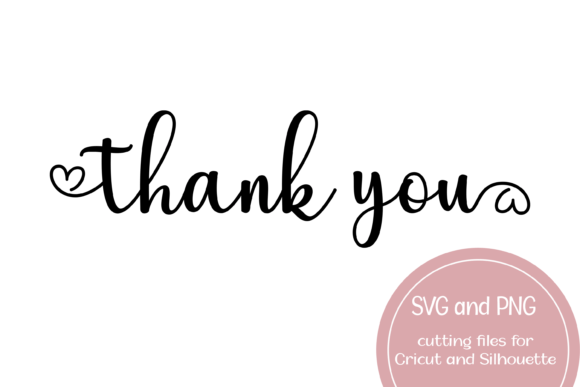
The product description highlights its utility as a "handwritten design" producing beautiful print templates. For those of us in the Crafts and Graphics categories, this distinction is crucial. It suggests a fluid, organic feel rather than a rigid, geometric vector. When evaluating an embroidery file or a vector cut file, the first thing I notice is the visual personality. The handwritten aesthetic implies warmth, personal touch, and approachability. It feels less like corporate branding and more like a note passed in class or a sincere message tucked into a care package. That emotional resonance is exactly what drives sales in the Etsy seller and small shop product spaces.
First Impressions: Mood and Visual Personality
When I first loaded the Thank You Heart SVG and PNG into my design software, the immediate takeaway was its versatility. The "handwritten" style breaks away from the stiff, traditional serif fonts often found in generic gratitude graphics. It feels human. In the context of an embroidery project, this translates to a design that invites customization. Whether you are creating a personalized gift for a new mom or a boutique branding element for a local bakery, this design carries a tone of genuine appreciation without being overly sentimental or cheesy.
The layout is clean, which is a designer’s best friend. Cluttered designs often lose detail when digitized or cut, but this graphic appears to have enough negative space to breathe. This is vital for machine embroidery design where dense stitching can overwhelm a busy background. The heart shape serves as a familiar anchor, while the script text provides the narrative. Together, they create a balanced composition that works equally well as a standalone embroidered patch or as part of a larger collage on a sweatshirt embroidery piece.
Real-World Application: From Screen to Stitch
Let’s talk about how this performs in actual use cases. I recently considered using this design for a batch of custom embroidered tote bags intended for a holiday market. The goal was to create a handmade product that felt premium yet accessible. Here is how the Thank You Heart SVG and PNG would likely behave in that scenario:
- Tote Bags and Aprons: On sturdy canvas or cotton duck cloth, the handwritten lines would render beautifully. If treated as an applique design, the contrast between the applique fabric and the base material would highlight the script’s curves. If stitched directly, a combination of satin stitch for the heart outline and running stitch for finer details could mimic the hand-lettered look effectively.
- Baby Items and Nursery Decor: This design fits perfectly into the soft, pastel-dominated world of baby embroidery. A onesie or a nursery wall hanging featuring this motif communicates care and gratitude, emotions that resonate strongly with parents and gift-givers. The gentle curves of the font avoid any harshness, making it safe and appealing for delicate fabrics.
- Holiday Gifts and Wedding Favors: Gratitude is the theme of many holidays and post-wedding events. Using this as a digital embroidery file for thank-you cards attached to gifts adds a tactile layer of sincerity that paper alone cannot achieve. It elevates a simple gesture into a memorable finished product.
For commercial embroidery and craft business owners, the value here lies in repeatability. Because the design is clean and scalable, it maintains its integrity whether placed on a small cap logo or a large pillow cover. This consistency builds brand consistency across different merchandise lines, helping creative entrepreneurs establish a recognizable visual identity.
Technical Considerations and Potential Pitfalls
No design is perfect, and as a reviewer, I must point out where caution is needed. While the Thank You Heart SVG and PNG is visually appealing, its effectiveness depends heavily on execution.
Fabric Texture and Stability: Textured fabrics, such as heavy tweeds or nubby linens, can obscure fine lettering. If the handwritten strokes are too thin, they may disappear into the weave. Similarly, on stretchy fabrics like jersey knits used for custom apparel, proper stabilization is non-negotiable. Without adequate stabilizer, the hoop size constraints might cause puckering, distorting the heart shape and ruining the legibility of the text.
Small Hoop Sizes: If you intend to place this on a hat brim or a tiny accessory, you need to verify the minimum hoop size required. Complex scripts can become muddy if scaled down too far. I recommend testing the design in black and white mockups to check contrast before committing to thread colors. Dark fabrics require high-contrast threads, while light fabrics allow for more subtlety, but both demand careful selection of thread colors to ensure the design pops.
Dense Stitch Areas: If you plan to fill the heart with a solid fill stitch, be mindful of the underlying fabric. Dense stitching adds weight and stiffness. For items like kitchen towels or tea towels, this might be desirable for structure, but for apparel decorators working with lightweight garments, it could lead to discomfort or fabric distortion. Always inspect small details after digitizing to ensure no critical parts of the script are lost in the conversion process.
Designer Notes for Optimal Results
To get the most out of this asset, I suggest following these practical steps before launching into production:
- Test on Scrap Fabric: Never go straight to your final product. Run a test stitch on the exact same fabric type and thickness you plan to use. This reveals issues with thread tension and stabilizer choice early.
- Review Stitch Density: Check the digitization for overly dense areas. If the design feels too heavy, consider switching some elements to running stitch or reducing the density to improve drape and comfort.
- Confirm Licensing: Before selling finished items or design assets, double-check the license terms. Ensure you have commercial rights for the specific products you are creating, especially if you are an Etsy seller relying on volume sales.
- Inspect Small Details: Zoom in on the handwritten portions. Are the serifs clear? Is the spacing consistent? Minor adjustments in the digital phase can save hours of rework later.
- Compare Backgrounds: Test the design against both light and dark backgrounds. A color that looks vibrant on one might vanish on another. This is particularly important for printable mockup creation, where accurate representation builds customer trust.
Final Verdict
The Thank You Heart SVG and PNG is a strong contender for designers looking to add a touch of heartfelt elegance to their repertoire. Its handwritten charm makes it ideal for personalized gifts, boutique branding, and small business merchandise. While it requires careful attention to fabric choice, stabilization, and stitch density to avoid common pitfalls, the payoff is a professional, engaging embroidery project that resonates emotionally with customers.
For makers and hobbyists, it offers a straightforward way to create meaningful keepsakes. For digital product sellers and graphic designers, it serves as a versatile base for expanding into physical goods. By treating it with the technical respect it deserves—testing thoroughly and planning strategically—you can transform this simple graphic into a high-value component of your creative workflow. It’s not just a file; it’s a tool for connection, and when executed well, it delivers exactly that.