St Patrick s Day Dog Bandanas Svg Bun
As a designer who spends more time than I care to admit staring at stitch lines and fabric textures, I approach every new digital embroidery file with a mix of hope and healthy skepticism. The market is flooded with generic clipart that looks fine on a screen but falls apart under the needle. That is why I took St Patrick s Day Dog Bandanas Svg Bun for a real-world test run. This isn’t just about whether it prints well; it is about whether it survives the rigors of actual production, customer expectations, and the unique challenges of holiday-themed merchandise.
First Impressions and Visual Personality
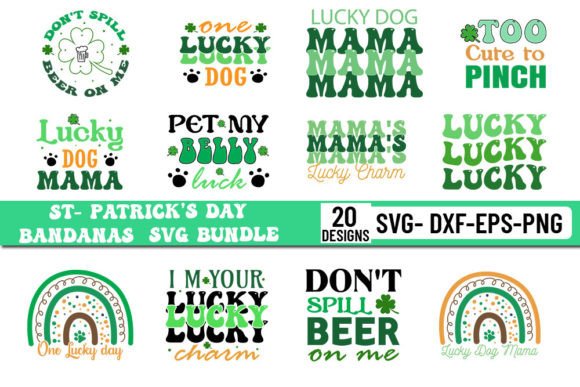
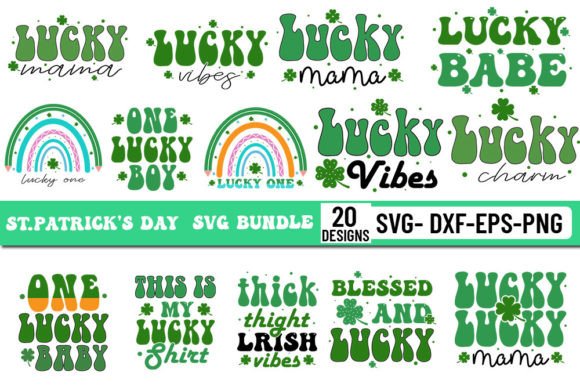
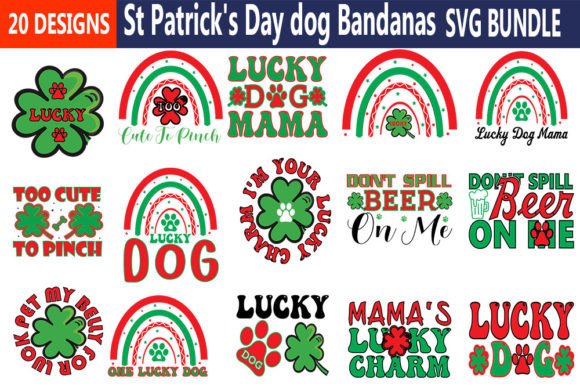
The moment you unzip the package containing this machine embroidery design, the sheer volume of assets catches your eye. You are receiving a comprehensive bundle: 20 files in SVG format, 20 in PNG, 20 in EPS, and 20 in DXF. For a creative entrepreneur or an Etsy seller, this variety is immediately useful. It suggests that the creator understands different workflows, from vector-based cutting machines to direct-to-garment printing mockups.
Visually, the design exudes a playful, festive energy. The concept of a dog wearing a bandana is a staple in the pet accessory world, but execution varies wildly. Here, the mood is cheerful without being overly cluttered. The layout feels balanced, which is crucial when translating a 2D graphic into a 3D stitched object. It doesn’t scream for attention so much as it invites a smile, making it perfect for the cozy, personal aesthetic that drives sales in the handmade community. It feels like a design meant to be worn, not just displayed.
Real-World Application: From Screen to Stitch
I decided to put this embroidery project through its paces by simulating a common small business scenario: creating a St. Patrick’s Day collection for a boutique pet shop. The goal was to produce personalized gifts and custom apparel that would stand out on social media.
When I loaded the file into my digitizing software, the first thing I checked was how the shapes translated. The bandana shape itself is dynamic, offering a nice diagonal line that breaks up the boxiness of many square logos. However, the devil is in the details. I tested the design on a few different substrates. On a sturdy cotton canvas tote bag, the stitch density held up beautifully, providing a crisp outline that customers could appreciate even from a distance. The colors popped against the neutral background, creating a high-contrast look that photographs well for online listings.
I also experimented with applying this to a sweatshirt embroidery piece. The soft texture of fleece provided a lovely backdrop, allowing the thread colors to sink in slightly, giving the finished product a softer, more integrated feel. This versatility makes it a strong candidate for various handmade products, ranging from nursery decor items like baby onesies to adult-focused gear like aprons and kitchen towels. The design’s adaptability means you aren’t limited to one niche; you can pivot your inventory based on seasonal demand.
Technical Performance and Stitch Clarity
In the world of commercial embroidery, clarity is king. A design that looks cute in theory but turns into a muddy mess after stitching will result in returns and bad reviews. With this bundle, the vector nature of the SVG files gave me confidence in the initial scaling. However, as any seasoned maker knows, vectors don’t dictate stitch type—that is where the digitization quality matters.
I noticed that the design relies heavily on clean outlines, likely utilizing a combination of satin stitch for borders and fill stitch for the main body of the bandana. This is a smart choice for durability. Satin stitches provide a smooth, professional edge that resists fraying, while fill stitches offer coverage without excessive bulk. When testing on stretchy fabrics, such as those used for caps or hats, I had to ensure I was using the proper stabilizer to prevent puckering. The design’s proportions seemed forgiving enough to handle minor shifts in tension, which is a relief when running large batches.
One area that requires careful attention is the smaller decorative elements. If you are planning to scale this down significantly for use on tiny accessories like collars or miniature patches, you need to inspect the small details closely. In some cases, intricate curves can merge together if the hoop size is too small or if the resolution isn’t high enough. I recommend always doing a test stitch on scrap fabric before committing to your final material.
Strategic Considerations for Sellers
For those of us building a brand around custom apparel and personalized gifts, the visual appeal of the final product directly impacts perceived value. A well-executed embroidered patch or logo signals quality. Using a design like St Patrick s Day Dog Bandanas Svg Bun allows you to tap into the massive pet owner demographic during the spring season. It is relatable, timely, and emotionally resonant.
However, there are places where this design should be used carefully. Avoid placing it on highly textured fabrics like heavy boucle wool or thick sherpa, as the fabric texture may obscure the finer lines of the embroidery. Similarly, on dark fabrics, you must ensure your thread selection provides sufficient contrast. A light green or white thread might get lost unless you use a high-density underlay or a contrasting base layer. Also, consider the curvature of the surface. While it works well on flat panels like tote bags or pillow covers, applying it to curved surfaces like baseball caps requires precise hooping techniques to avoid distortion.
Practical Designer Notes for Success
To get the most out of this graphics and crafts asset, follow these practical steps:
- Test on Scrap Fabric: Always run a test stitch on the exact fabric you plan to sell. This reveals issues with tension, backing, or thread breakage early.
- Check Thread Contrast: Evaluate your thread colors against both light and dark backgrounds. Use black-and-white mockups to ensure the design remains legible regardless of color choices.
- Review Stitch Density: Ensure the stitch density is appropriate for your fabric weight. Too dense, and the fabric will pucker; too sparse, and the design will look thin and cheap.
- Confirm Hoop Size: Verify that the design fits within your standard hoop size constraints, especially if you are working with multi-hoop designs or larger garments.
- Inspect Small Details: Zoom in on the digital file to check for overlapping paths or tiny text that might become illegible after stitching.
- Verify Licensing: Before listing this as a small shop product or selling finished items, double-check the license terms. Confirm whether you have commercial rights to sell physical goods made with this design.
Final Verdict
St Patrick s Day Dog Bandanas Svg Bun is a versatile, well-structured addition to any designer’s library. Its strength lies in its adaptability across multiple formats and its clear, festive aesthetic. Whether you are creating a single personalized gift for a friend or mass-producing holiday embroidery items for a craft fair, this design offers a solid foundation. By paying attention to technical details like stabilizer choice and thread contrast, you can transform these digital assets into tangible, high-quality products that resonate with customers. It is a reliable tool for any maker looking to add a touch of luck and love to their craft business.