Enjoy Summer Time – Retro Summer SVG
As a designer who spends more time staring at stitch density charts and fabric swatches than actually sleeping, I have developed a keen eye for what separates a "cute clipart" file from a design that actually holds up under the needle. When I first pulled Enjoy Summer Time – Retro Summer SVG into my digitizing software, my initial reaction was one of cautious optimism. The retro aesthetic is undeniably popular right now, but nostalgia can often be tricky to translate into thread. Too much detail gets lost in the stitching, and too little looks unfinished. So, I decided to put this design through its paces to see if it truly belongs in a professional craft business workflow or if it should remain in the digital scrapbook.
The First Impression: Mood and Visual Personality
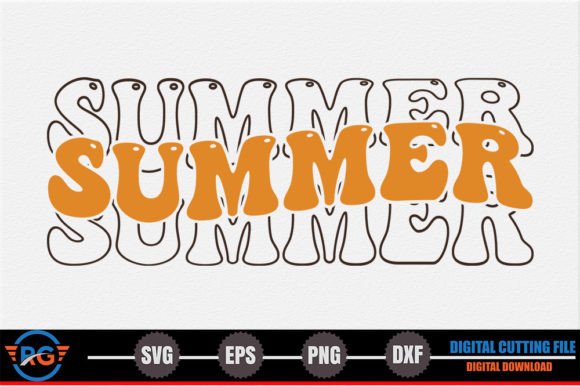
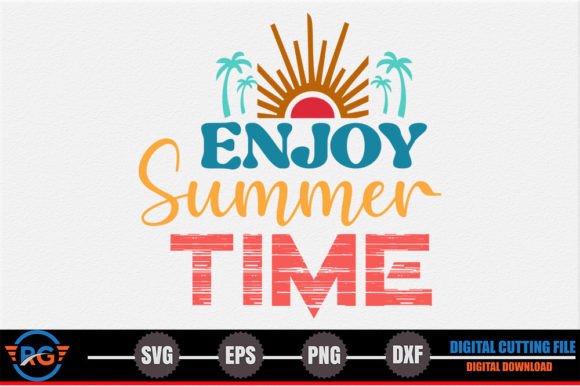
The moment you open the file, the vibe is clear. It screams relaxed, vintage summer energy. The typography and layout feel balanced, avoiding the cluttered look that plagues so many holiday-themed designs. For an embroidery designer, the most critical part of a pre-digitized graphic like this is how the negative space interacts with the positive elements. Enjoy Summer Time – Retro Summer SVG manages to keep its visual personality intact without relying on complex gradients or shading that are impossible to replicate in thread. This simplicity is its greatest strength. It suggests a design that will read clearly from a distance, which is essential for items like tote bags or sweatshirts where the viewer isn't standing inches away.
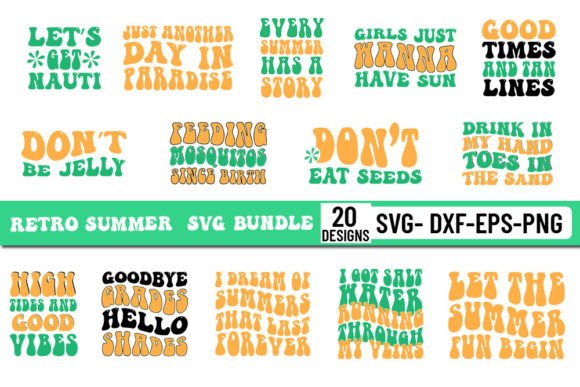
The color palette implied by the name and style leans heavily into warm tones—mustard yellows, burnt oranges, and faded teals. These colors naturally evoke feelings of nostalgia and warmth, making them perfect for seasonal transitions. However, as any experienced maker knows, the digital preview is not the final product. The success of this design hinges entirely on your choice of thread colors. If you pair these shapes with neon synthetics, you will lose the retro charm instantly. But if you opt for matte cotton blends or muted polyester threads, the design takes on a sophisticated, boutique quality that appeals to modern consumers looking for handmade authenticity.
Real-World Application: From Screen to Stitch
I wanted to test how this design would perform in actual production scenarios, specifically focusing on high-demand items for small businesses. My primary test case was a custom embroidered tote bag. Tote bags are a staple for Etsy sellers and craft fair vendors because they are practical, portable, and offer a large, flat canvas for branding. When I placed Enjoy Summer Time – Retro Summer SVG on a natural canvas bag, the contrast was immediate. The clean lines of the vector format translated well into the initial digitization phase, meaning fewer errors during the hooping process.
Another strong use case here is sweatshirt embroidery. As the weather cools slightly in late summer, customers start looking for transitional apparel. A retro summer phrase on a heavyweight hoodie creates a compelling juxtaposition. The design’s layout allows for a centered chest placement or a smaller left-chest logo version without losing impact. I also considered using this for aprons and kitchen towels. In a home setting, the cheerful message adds a touch of personality to daily routines. The key here is stability; these items undergo frequent washing, so the design needs to withstand abrasion. The dense areas of the lettering in this file appear robust enough to hold their shape over time, provided the correct stabilizer is used.
For those selling personalized gifts, this design offers versatility. Imagine a baby shower gift featuring a soft pastel version of this theme on a muslin blanket, or a graduation present on a cap. The embroidered patch application is another avenue worth exploring. By adding a border stitch, this graphic could easily become a detachable badge for denim jackets or backpacks, expanding its utility beyond just direct-to-garment decoration.
Where Caution Is Required
While the design has many strengths, it is not without its pitfalls. Embroidery designers know that context is everything. I would advise against using this file for very small hoop sizes. If you attempt to shrink the design down to fit a standard 4x4 inch hoop while maintaining legibility, you risk losing the nuance of the retro font details. Tiny letters tend to merge together, turning into muddy blobs rather than crisp text.
Fabric choice is equally critical. This design does not play well with highly textured fabrics like bouclé wool or thick terry cloth, as the needle penetration becomes inconsistent. Similarly, stretchy knits require a heavy-duty cut-away stabilizer to prevent distortion. If you are working with dark fabric, you must ensure your underlay stitches are sufficient to hide the base material, otherwise, the bright retro colors may look washed out. Additionally, avoid placing this on curved surfaces like fitted baseball caps unless you have significant experience with 3D puff embroidery or precise multi-head programming. The flat nature of the original vector might not account for the curvature of the hat front, leading to puckering if not adjusted properly.
Technical Considerations for the Pro Designer
Before committing to a full production run, there are several technical steps every designer should take. First, always test the design on scrap fabric that matches your final project in weight and texture. This helps you gauge the true stitch density and identify any potential thread breaks. Second, review the file structure. Since the product description mentions separate files in formats like SVG, EPS, DXF, and PNG, verify which file corresponds to the actual machine-readable data. Often, the SVG is a visual guide, while the DST or PES (depending on your machine) contains the stitch commands. Ensure you are editing the correct layer.
Color planning is another area where mistakes happen. I recommend converting your design to black and white in your software before digitizing. This removes the distraction of color and forces you to evaluate the clarity of the shapes and spacing. If the design looks confusing in grayscale, it will likely fail in color. Also, consider the end-user’s maintenance habits. If this is intended for a commercial embroidery project sold to busy parents, the design should be durable and easy to care for. Avoid excessive decorative accents that might snag during washing.
Final Verdict: Is It Worth Adding to Your Assets?
After evaluating Enjoy Summer Time – Retro Summer SVG from both a creative and technical standpoint, I find it to be a solid addition to any craft business library. It strikes a good balance between trendy aesthetics and timeless appeal. The retro theme ensures it won’t feel outdated next year, and the clean vector structure makes it adaptable for various products, from custom apparel to nursery decor.
However, success depends on execution. You cannot simply upload and print. You must respect the limitations of the medium. Use proper stabilizers, choose complementary thread colors, and test rigorously. For small shop owners and digital product sellers, this file offers a versatile foundation for creating high-value handmade products. Whether you are preparing for a holiday rush or building a year-round brand identity, this design provides the visual hook needed to engage customers. Just remember to check the licensing terms carefully if you plan to sell finished goods, ensuring you have the commercial rights necessary to profit from your work. When done correctly, the result is not just an embroidered item, but a piece of wearable art that resonates with the joy of the season.