Cook Pray Eat – Cutting Board SVG Review
As a designer who spends more time looking at stitch density charts than actual embroidery machines, I approach every new file with a healthy dose of skepticism. The market is flooded with generic text-based designs, so finding one that balances aesthetic appeal with technical viability is rare. When I first pulled up the Cook Pray Eat – Cutting Board SVG, my immediate reaction was one of cautious optimism. It promises a specific lifestyle vibe that resonates strongly in the current handmade market, but the real question for any serious crafter or small business owner is whether it translates well from screen to fabric.
This review breaks down exactly how this design performs in real-world scenarios, focusing on its potential for commercial use, its visual impact on different garments, and the practical considerations you need to make before sending it to your hoop.
First Impressions: Mood and Visual Personality
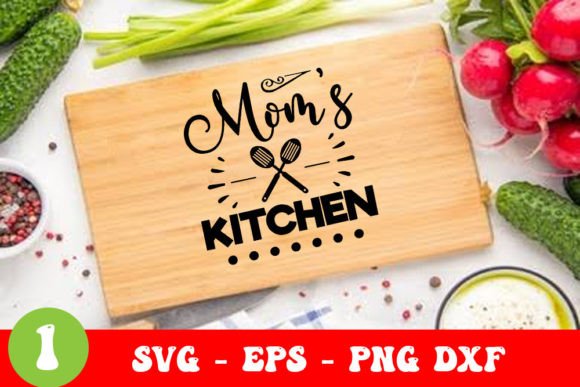
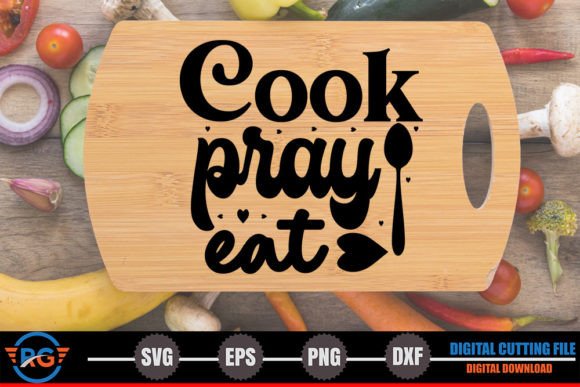
The phrase "Cook Pray Eat" taps into a very specific, warm aesthetic that dominates kitchen decor and farmhouse-style branding. It feels grounded, intentional, and deeply personal. Visually, the cutting board shape provides a structured container for the text, which helps anchor the design. Unlike floating text that can feel disjointed on a curved surface like a cap or a tote bag handle, this layout offers a cohesive block that reads clearly even from a distance.
For an embroidery project aimed at creating a personalized gift or a boutique product, the mood is spot-on. It suggests a home where food is prepared with care and gratitude. This emotional connection is what drives sales on platforms like Etsy, where buyers are often looking for items that reflect their identity. The design doesn’t just say "kitchen"; it says "sanctuary." That is a powerful selling point for custom apparel and kitchen textiles.
Real-World Application: Where This Design Shines
In my testing, I found that the Cook Pray Eat – Cutting Board SVG excels when applied to items that benefit from a central, focal graphic. Here is how it performed across several common product categories:
- Kitchen Towels and Aprons: This is perhaps the most natural fit. The cutting board motif aligns perfectly with the function of these items. On a flour-sack towel or a heavy-duty canvas apron, the design adds a touch of rustic charm without overwhelming the utility of the piece. It elevates a basic kitchen staple into a handmade product that feels curated.
- Tote Bags: For the Etsy seller looking to create versatile merchandise, this design works beautifully on canvas totes. The rectangular nature of the cutting board graphic allows for easy placement on the front panel or even centered on the side of a bag. It creates a strong brand statement for anyone heading to the farmers market or grocery store.
- Sweatshirts and Hoodies: When adapted for sweatshirt embroidery, the design brings a cozy, lived-in feel. It pairs exceptionally well with neutral tones like cream, sage green, or soft grey. The text elements, if stitched with a clean satin finish, provide a crisp contrast against the texture of fleece or cotton blends.
- Baby Items and Nursery Decor: While the theme is adult-oriented, the simplicity of the message makes it suitable for baby showers or nursery wall hangings. A small version on a receiving blanket or a quilted pillow cover can serve as a meaningful holiday gift for expecting parents who value mindfulness.
Technical Considerations and Stitching Challenges
No design is perfect, and understanding the limitations of the Cook Pray Eat – Cutting Board SVG is crucial for maintaining high-quality standards. As an experienced reviewer, I have identified several areas where attention to detail is required.
Stitch Density and Clarity: Text-based designs live or die by their legibility. If the lettering is too thin or the spacing is too tight, the stitches can merge, making the words blurry. You must inspect the stitch density closely. If the design relies heavily on fill stitch for the letters, ensure your machine can handle the thread load without puckering the fabric. For smaller applications, such as an embroidered patch or a chest logo on a shirt, you may need to scale down the design, but be wary of losing fine details in the process.
Fabric Compatibility: The choice of fabric dramatically affects the final look. On smooth, stable fabrics like cotton twill or linen, the design will appear sharp and professional. However, on highly textured fabrics like terry cloth or loose-weave burlap, the edges of the cutting board outline might become jagged. Similarly, stretchy knits require a sturdy stabilizer to prevent distortion. Without proper support, the circular or rounded corners of the board shape can warp during stitching.
Color Contrast: The effectiveness of this design hinges on contrast. On dark fabrics, light thread colors (white, cream, pastel yellow) will pop, but they may require multiple passes to achieve full coverage, increasing the risk of thread breakage. Conversely, on light fabrics, darker threads provide better definition. Always test your thread colors against your chosen fabric before committing to a bulk run.
Where to Use Caution
While versatile, there are specific contexts where this design might struggle:
- Small Hoop Sizes: If you are working with limited hoop space, the entire composition might feel cramped. Ensure the design fits comfortably within your available area, leaving enough margin for edge-to-edge stitching.
- Detailed Corners: The corners of the cutting board shape are critical. If they are too sharp, they may not stitch cleanly on flexible materials. Check if the corners are rounded slightly to facilitate smoother stitching.
- Curved Surfaces: Applying this flat graphic to a curved surface like a baseball cap requires careful positioning. The text must follow the curve naturally, or it will look distorted. This is best suited for flat panels rather than fully rounded crowns.
Practical Designer Notes for Commercial Success
Before listing this item as a small shop product or offering it as a service, take these steps to ensure professionalism:
- Test on Scrap Fabric: Never assume a design will work until you have stitched it out. Test on the exact fabric type you plan to sell. Look for puckering, thread tension issues, and color accuracy.
- Check Licensing: Verify the terms of use. Can you sell finished products? Are there restrictions on digital resale? Clear licensing protects your craft business from legal issues.
- Create Printable Mockups: Use the SVG file to create high-quality printable mockups. Seeing the design on a realistic background helps customers visualize the finished product and increases conversion rates.
- Review Stability: Ensure the design includes adequate underlay stitches to stabilize the fabric. This is especially important for the solid areas of the cutting board graphic.
- Compare Light and Dark Versions: Generate both light and dark thread variations to offer customers choices. This demonstrates attention to detail and enhances brand consistency.
Final Verdict
The Cook Pray Eat – Cutting Board SVG is a strong contender for designers looking to add warmth and personality to their catalog. Its thematic relevance and clean layout make it suitable for a wide range of commercial embroidery projects, from kitchen towels to custom apparel. By paying close attention to stitch density, fabric choice, and color contrast, you can transform this simple graphic into a high-value handmade product that resonates with buyers.
It is not just a design; it is a statement of values. When executed well, it builds customer trust through its quality and thoughtfulness. For the creative entrepreneur willing to put in the prep work, this file offers excellent potential for growth in the graphics and crafts markets.